Trainee Hub







Portfolio Pathway (previously known as CESR)
CESR / CEGPR has now become the Portfolio pathway. The portfolio pathway is for doctors who haven’t completed a GMC approved programme of training. But, you can show you have knowledge, skills and experience of an eligible specialist in the UK.
The GMC requires evidence from you when you apply for registration via the Portfolio pathway. The Specialty Specific Guidance (SSG) documents explain what they expect you to submit for your application.
Once you open your application, you will have 24 months to submit it. You'll need to prepare evidence before submitting your application. Gathering evidence for a Portfolio application is a large undertaking, so it is important than you plan this. Once your application is submitted; it can take between three and six months to process.
It is really important you read the GMC guidance to support your application.
For specific guidance for applying via portfolio pathway in Acute Medicine from the GMC see below.
A Case Study in CESR Training

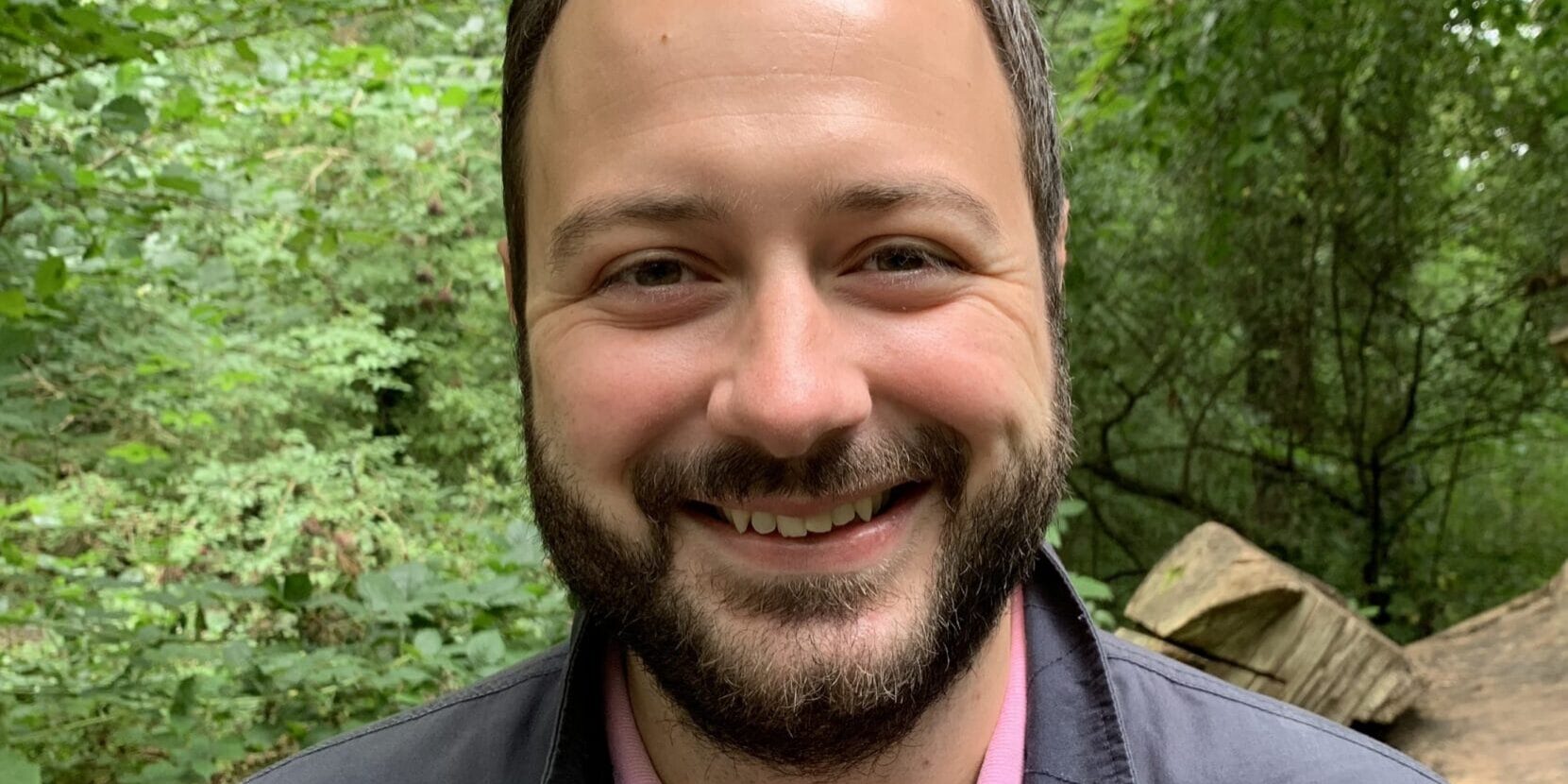
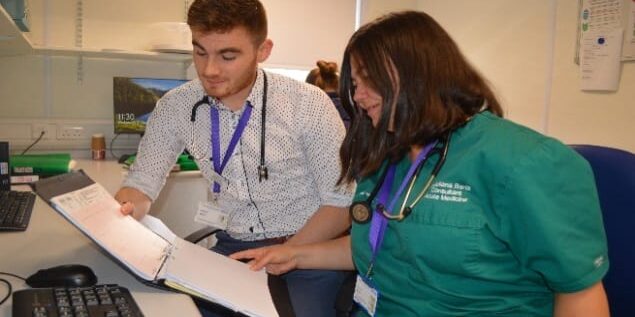
Here we present a case study of Dr Beatrix Langara, Consultant in Acute Medicine, who joined the specialist register through the CESR route.
She outlines how and why she chose this route, and provides some tips for those considering CESR as a method of training in Acute Internal Medicine.
If you would like to contact Dr Langara for more information, please get in touch with the Society administration team who can put you in touch.
I graduated in 2008 in Hungary, started working in Germany as a junior doctor but came to the UK in 2010- due to family reasons. After getting a Trust SHO job soon I realised I am unable to get into the -so called- Core Medical Training because of the “18 months rule” that time. I did various medical jobs in major hospitals and my aim was to finish MRCP and get into the reg training. I mostly enjoyed acute medicine despite I was also exposed to other medical specialties. I like seeing variety of cases, I like the acuteness of this clinical environment, the procedural opportunities and my personality best fits with this specialty.
Once I completed my MRCP exams I had a choice. After long conversations and considering various options, I decided ‘traditional’ training would not be suitable for my work-life balance having a young, busy family. Discussing the training pathways with my supervisor (Nick Scriven) I have come across the CESR route. I was told in the beginning this will “neither be a short cut, nor an easy ride.”
My CESR training was structured from day one. I had clear guidance, timelines etc - this is also thanks to Nick Scriven! The Trust was extremely supportive, my job plan, all the rotations were designed to meet my CESR needs. I was given plenty of study leave, so I could follow the ARCP guidelines to meet the requirements.
My pregnancy caused a slight delay with my progression; however I used that time wisely– with help from my husband- and completed my Specialty Skill- which was FAMUS. During maternity leave I had to travel fortnightly to a different hospital Trust to scan as I had no local FAMUS supervisor or mentor.
After my maternity leave my training was back on track despite the COVID. I really used all the opportunities and made the best out of the situations that life gave me.
I had to be flexible, make plans to attend mandatory training courses, I had to pick up extra roles to show my leadership skills. There are plenty of free online resources provided by the NHS- like Leadership Academy, Max courses, local courses etc..
CESR training is better for work-life balance. Training can be done in the same hospital; the local system and the environment gets very familiar which makes work less stressful. There are lots of opportunities to get other non-clinical roles as well and opportunities to get involved in leadership because you work for the Trust much longer than a traditional trainee.
I needed to be adaptable, flexible, able to recognize the gap and additional learning needs. I had to use my SPA time wisely. I had to sign up for certain courses months before as places got full very quickly.
I felt the CESR application itself daunting. The evidence had to be organised in a very particular way, however after submission the GMC gave me very clear guidance what and how should be done differently (giving me exact page number and recommended actions).
I was exposed to various medical specialties where I had to do clinics. I did not enjoy specialty follow up clinics as much I enjoy Acute Internal Medicine. This specialty fits more to my personality. Since I came to the UK I had excellent mentors. Their presence in my career was definitely a driving factor toward acute medicine.
CESR is an excellent way of progression that would be suitable for many trainees who would like to settle down earlier in their career and having (or planning to have) young families.